Empowering Minds: Harnessing the Potential of Brain Stimulation Techniques
Empowering Minds: Harnessing the Potential of Brain Stimulation Techniques
Microwave brain stimulation is an emerging technique that involves the use of electromagnetic waves in the microwave frequency range to modulate neural activity in the brain. Unlike traditional brain stimulation methods such as transcranial magnetic stimulation (TMS) or transcranial direct current stimulation (tDCS), which use magnetic fields or electrical currents respectively, microwave stimulation targets neurons using microwave radiation.
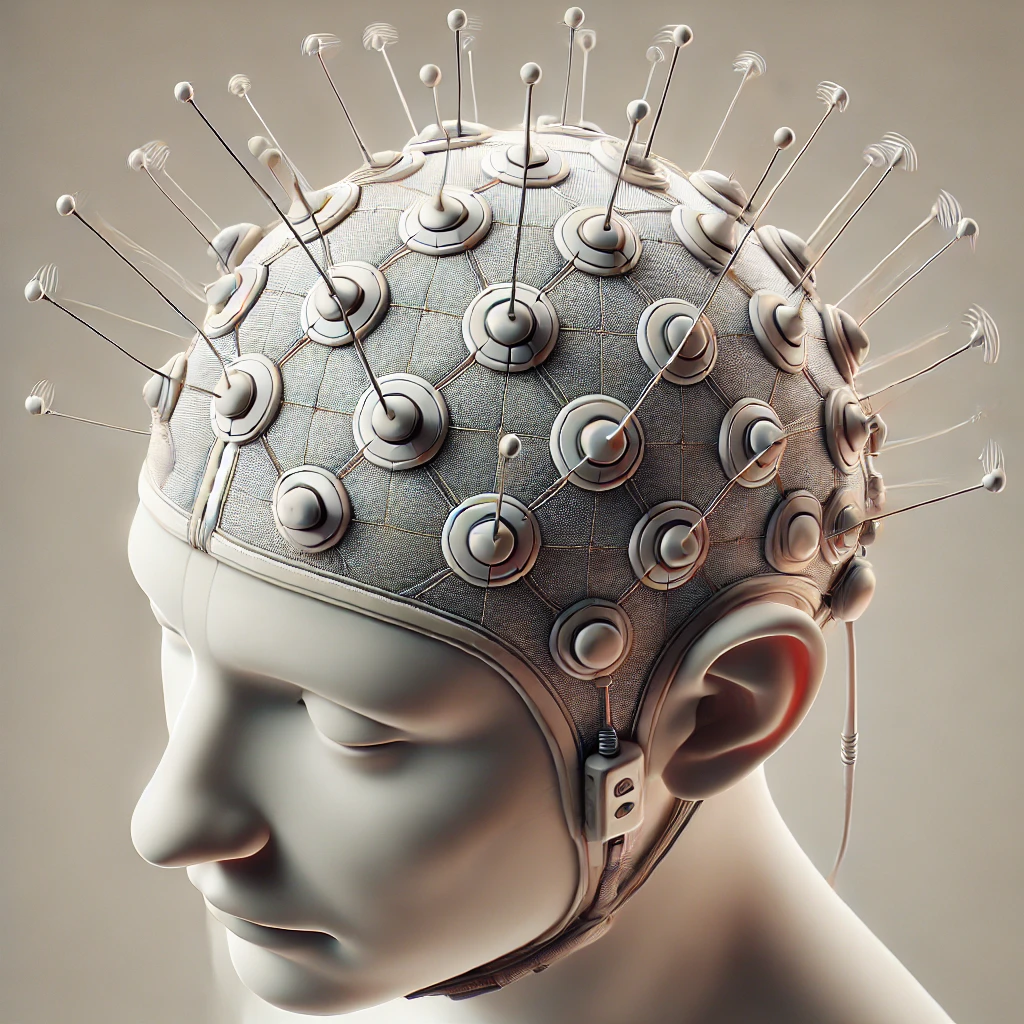
The process typically involves directing controlled microwave pulses through an array of antennas, which penetrate the brain tissue to affect neuronal excitability. This non-invasive approach aims to modulate brain circuits involved in various cognitive functions and neurological disorders.
Key aspects and applications of microwave brain stimulation include:
1. Precision and Targeting: Microwave stimulation can be targeted to specific brain regions with high spatial resolution, potentially allowing for more precise modulation of neural networks compared to other techniques.
2. Therapeutic Potential: Research suggests that microwave stimulation could be beneficial in treating conditions such as depression, epilepsy, chronic pain, and possibly neurodegenerative diseases. It may offer alternative or complementary treatments to existing methods.
3. Safety Considerations: Safety is a critical factor in the development of microwave brain stimulation techniques. Efforts are underway to ensure that the levels of electromagnetic radiation used are well within safe limits established by regulatory bodies.
4. Research and Development: Ongoing research aims to further elucidate the mechanisms of microwave stimulation, optimize parameters for therapeutic efficacy, and explore potential long-term effects.
Microwave brain stimulation represents a promising frontier in neuroscience and neuromodulation, offering novel approaches to understand and influence brain function with implications for both research and clinical practice. Continued advancements in technology and research are expected to further expand its potential applications and refine its therapeutic benefits.