Personalization may be key to more effective therapies
Neural connections in the brain enable tasks ranging from simple daily activities to complex problem-solving. Stimulation of neurons can help rewire these connections. However, fine-tuning stimulation to target brain connections effectively has been challenging. Personalization of neurostimulation is essential for optimal outcomes.
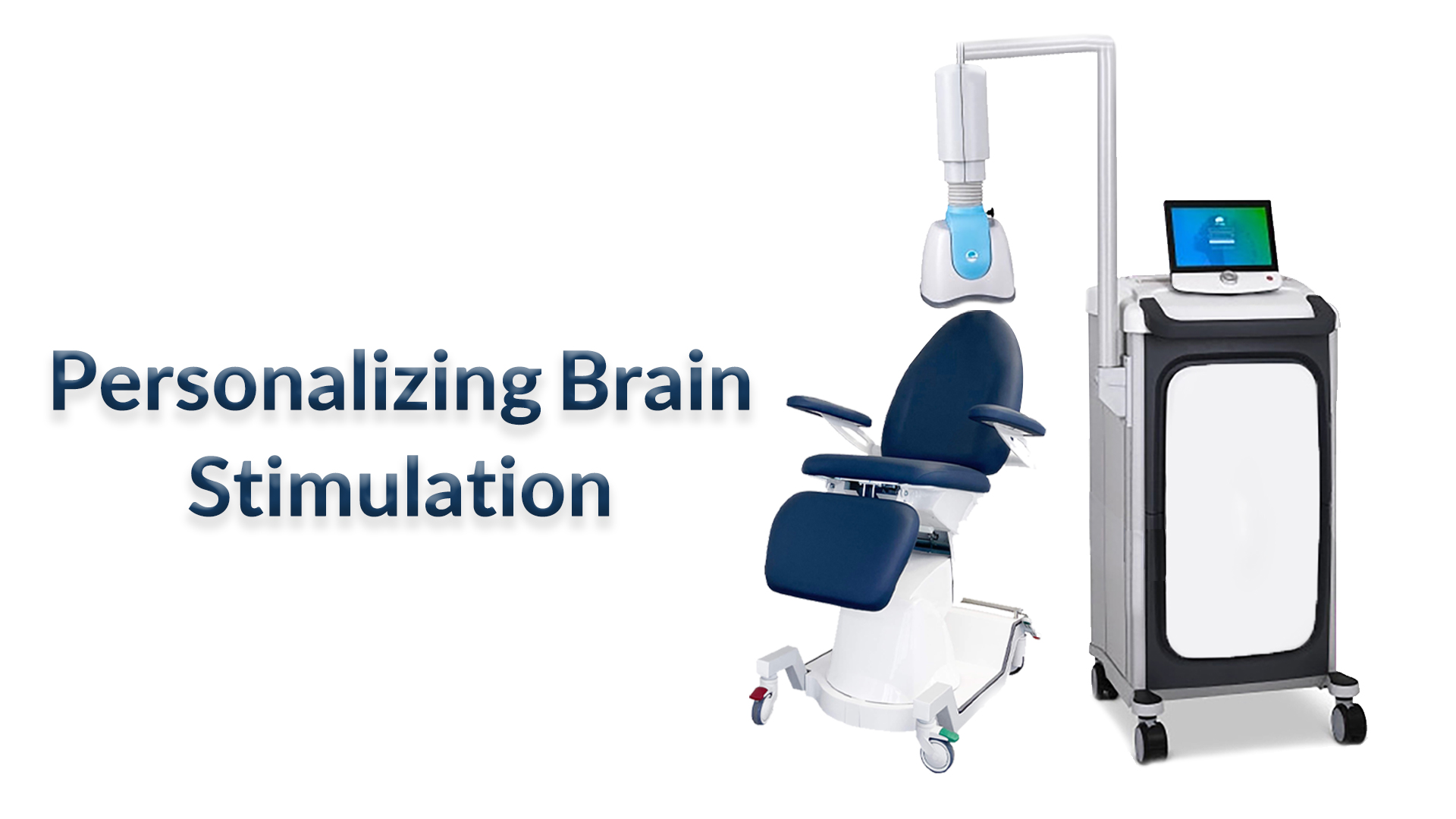
This implies that the individual’s brain characteristics are crucial for understanding responses to stimulation, highlighting the need for personalized treatments. Personalization could involve adjusting the strength, frequency, and location of neurostimulation in each person’s brain. Personalized brain stimulation could improve therapies for various neurological diseases.
Research indicates that understanding how brain connectivity affects neurostimulation response could lead to more effective treatments, potentially moving from symptom management to curing diseases. One example is stroke therapy, where tailored stimulation could enhance recovery, which is currently limited to a two-week window post-stroke. A failed 2008 clinical trial, the Everest trial, suggested that generic stimulation parameters might not work for all patients, reinforcing the need for personalized approaches. The next steps involve further research to determine the best methods for personalizing neurostimulation by precisely targeting specific neural connections. Additionally, neural interfaces and AI algorithms are being developed to design stimulation patterns that repair dysfunctional connections.
Understanding how brain connectivity interacts with stimulation will pave the way for more effective treatments for neurological and psychiatric diseases, unlocking the full potential of brain stimulation.